Garage Door Accessories Parker: Reliable Options for Every Home
A garage door does far more than open and close. It protects vehicles, tools, seasonal storage, and often the largest entry point into the house. In Parker, where weather can swing from bright, dry afternoons to snow, wind, or sudden temperature drops, the accessories attached to that door matter more than many homeowners realize. A good opener alone is not enough. The details around it, the keypad, safety sensors, backup power, weather seal, lighting, remotes, rollers, and smart controls, often determine whether the system feels dependable or frustrating.
When I talk with homeowners about garage door upgrades, the conversation usually starts with one complaint. The remote works only from the end of the driveway. The keypad is fading and sticks in winter. The bottom seal lets in dust. The opener is loud enough to wake a bedroom above the garage. Sometimes the concern is security, especially for families that use the garage as the main entrance every day. These are not cosmetic issues. They shape daily convenience and, in some cases, safety.
If you are looking at Garage Door Accessories Parker homeowners actually benefit from, it helps to separate nice extras from practical improvements. The best options are the ones that solve specific problems, fit the local climate, and work well with the existing door and opener.
The accessories that make the biggest difference
Some garage door accessories feel optional until you live with them. Others are easy to overlook because they are not visible from the street. In practice, reliability usually comes from the less glamorous pieces.
A wireless keypad is one of the most useful upgrades for busy households. It lets kids, dog walkers, contractors, and family members get in without passing around remotes. The key is choosing a keypad with backlit buttons, strong weather resistance, and reliable programming memory. In Parker, where direct sun and cold snaps both take a toll on exterior plastics and rubber components, a cheaper keypad often ages quickly. Buttons lose their tactile feel, covers become brittle, and numbers fade. A better-built unit costs more up front but tends to hold up much longer.
Smartphone control has gone from novelty to standard convenience. If you travel often, have teenagers coming and going, or simply want to know whether the door closed after you left, a smart controller earns its place fast. The best systems send alerts, show door status clearly, and allow temporary access rather than forcing you to share a permanent code. I have seen homeowners save themselves a long drive home just by checking the app after a nagging moment of doubt. That alone makes the upgrade worthwhile for many families.
Battery backup is another accessory that people often ignore until the first outage. During winter storms or utility interruptions, a garage can become awkwardly inaccessible if the opener has no backup power and the emergency release is not practical to use. For homes where the garage is the primary entrance, battery backup is less of a luxury and more of a resilience feature. It does not need to run the system all day, it just needs to give you a workable number of open and close cycles when the power drops.
Lighting accessories also deserve more respect than they get. A dim garage is inconvenient, but it can also be unsafe. Motion-activated LED light modules or opener-integrated bright lighting make it easier to unload groceries, spot obstacles, and move through the garage after dark. In some homes, better garage lighting improves security around the side yard and driveway because the area does not sit in shadow every evening.
Then there are the small but essential protective pieces, bottom seals, threshold seals, side weatherstripping, reinforced brackets, and upgraded rollers. These items rarely appear in showroom photos, yet they often deliver the biggest quality-of-life improvement. A door with fresh sealing and smoother rollers simply works better. It sounds tighter, feels steadier, and keeps out more debris.
Security is where accessories earn their keep
A garage door is a convenience feature, but it is also a security perimeter. If the garage connects directly to the home, every weak accessory becomes a potential liability. That does not mean homeowners need a fortress. It means they should be thoughtful.
Rolling-code remotes are now standard on many openers, but older homes sometimes still have outdated transmitters. Replacing legacy remotes with secure, modern versions is one of the simplest security improvements available. It is not dramatic, but it closes off a very real vulnerability.
Keypads should be treated carefully as well. A keypad is useful only if the code is managed sensibly. Too many households keep one easy code for years, often something a neighbor or former service provider may still know. Better models allow temporary codes, timed access windows, or separate user codes. That matters in real life. If you hire a landscaper, house sitter, or delivery service to use the garage occasionally, you should not need to hand over the same code your family uses every day.
Smart camera integration can be helpful, though it is not necessary for everyone. For homeowners who receive frequent package deliveries or store expensive gear in the garage, a camera pointed at the interior or driveway can provide peace of mind. The best use case is not constant surveillance, it is verification. You want to know whether the door opened, who accessed it, and whether it closed again without needing to guess.
One practical point that gets missed: security accessories should never interfere with emergency egress or safety systems. If a home upgrade adds friction to manual release, visibility, or sensor alignment, it is solving one problem by creating another. Good garage security always works alongside safety, not against it.
Parker weather changes what “reliable” means
Local climate affects garage door performance more than marketing brochures admit. In Parker, dry conditions can blow dust into tracks and under the bottom seal. Winter cold can stiffen old rubber and expose weak weatherstripping. Sun exposure can degrade plastic housings and crack less durable exterior accessories. Wind can rattle a door that already has worn rollers or loose hardware.
That is why weatherproofing accessories deserve a serious look. A quality bottom seal can help keep out dust, leaves, water, and cold air. The exact benefit depends on the floor condition. If the concrete at the threshold is uneven, even a good seal has limits. In that case, pairing a bottom seal with a threshold seal often gives better results. It also helps reduce the amount of snowmelt or blowing moisture that makes its way inside.
Side and top weatherstripping matter too, especially on attached garages. Homeowners often focus on the visible bottom edge but ignore gaps around the perimeter. Those gaps are where drafts creep in and where fine dust finds its way onto stored items. Replacing perimeter seal material is not a glamorous project, but when it is done properly, the improvement is immediate.
Cold weather also exposes the quality of moving parts. Rollers with worn bearings grow noisier, tracks accumulate grime, and lubricants thicken if the wrong product has been used. That is why upgraded nylon rollers are such a common recommendation. They tend to run quieter than basic metal rollers and can noticeably soften the operation of the door, especially in homes with rooms above the garage.
Choosing accessories for the way your household actually lives
Not every home needs the same setup. A retired couple using the garage twice a day will value different accessories than a household with three drivers, bikes hanging from every wall, and children punching in the keypad after school.
For high-traffic homes, convenience and durability usually outrank novelty. Multiple remotes, a dependable keypad, bright lighting, and a quiet opener system often deliver the strongest return. In a low-traffic detached garage, the priorities may shift toward security, weather sealing, and occasional-use reliability.
One of the biggest mistakes I see is buying accessories in isolation. A homeowner replaces the keypad, then adds a smart hub, then buys generic remotes online, only to discover that compatibility is uneven and setup becomes a chore. The better approach is to look at the system as a whole. What opener do you have? What frequency does it use? Is there already a battery backup port? Can the smart module report status accurately, or does it guess based on timing rather than a physical sensor? These details matter.
There is also a practical budget conversation to have. Spending modestly on a few strong accessories usually beats spreading money thinly across too many gadgets. A robust keypad, weather sealing, and upgraded rollers may improve daily use more than a stack of extra features you rarely touch.
Where quiet operation comes from
Noise is one of the most common reasons homeowners start exploring garage door accessories. Often they assume the opener itself is the whole problem. Sometimes it is, especially with older chain-drive units. But a noisy garage door system usually has several contributors working together.
Rollers are often the first place to look. Worn steel rollers can chatter, vibrate, and amplify track noise. Quality nylon rollers with sealed bearings can make a dramatic difference, particularly on double-wide doors. The change is not subtle when the old hardware is tired. In homes with a bedroom above the garage, that upgrade is often noticed on the first night.
Vibration isolation accessories help too. Opener mounting kits designed to reduce transmitted vibration can limit the rumble that travels into framing. If you have ever heard a garage door opener as a low thudding resonance in an upstairs room, not just in the garage itself, this is the issue at work.
Lubrication is another piece, though it is easy to misuse. Garage door hardware benefits from the right lubricant in the right places, hinges, springs, and rollers where appropriate. The tracks themselves generally should not be coated heavily. Too much product attracts grime, which creates a new problem later. This is an area where restraint matters more than enthusiasm.
Accessories that deserve attention before winter
Seasonal maintenance is not exciting, but it is one of the reasons some garage doors sail through winter while others become temperamental.
Here are five accessories or related parts worth checking before cold weather settles in:
- Bottom seal, for cracking, flattening, or visible daylight under the door.
- Keypad cover and buttons, for stiffness, fading, or weak response in low temperatures.
- Battery backup, to confirm it still holds charge and operates under load.
- Safety sensors, to make sure alignment is stable and lenses are clean.
- Rollers and hinges, for excess wear, noise, or rough movement.
That short review catches a surprising number of issues before they become inconvenient at the worst possible time. It also helps homeowners spend money on what truly needs attention instead of replacing working accessories prematurely.
Smart accessories are excellent, when they are set up well
The appeal of smart control is obvious. Open the door from your phone, receive alerts, grant access remotely, and confirm that everything is shut at night. Those are meaningful advantages. But not every smart accessory is equally useful in daily life.
The best systems are clear and dependable. They tell you the real status of the door, not an estimated one. They reconnect reliably after router changes or power interruptions. They also have sensible permissions. A family does not always need every person to have full administrative control over every setting.
Poorly configured systems can create their own headaches. Notifications arrive too often and get ignored. Guest access remains active long after it should have expired. The app becomes one more thing that works most of the time, which is often worse than not having it at all. For smart accessories to be worth keeping, they need to reduce friction rather than add it.
For Parker homeowners, connectivity can also be influenced by garage layout. Thick walls, detached structures, and weak Wi-Fi near the garage can undermine performance. Sometimes the right solution is not a new smart accessory but a better network setup, such as a properly placed mesh node. It is a simple point, but it saves a lot of frustration.
The value of backup entry options
A reliable garage setup should not depend on one single method of access. If the remote battery dies, the phone is dead, or the internet goes out, you still need a straightforward way in.
That is why I tend to like a layered approach. A visor remote or built-in vehicle transmitter is convenient. A wireless keypad adds independence from the car. Manual release remains essential for emergencies or mechanical trouble. If the house design allows for another secure entry point into the garage, that redundancy can be useful too.
Many service calls begin with a small failure that became a major inconvenience because no alternative access existed. A remote stopped working, the side door was locked, and the homeowner was suddenly stuck outside with groceries, children, or a car idling in the driveway. A few thoughtful accessories can prevent that kind of cascade.
When accessory upgrades should come with a broader inspection
There are times when adding accessories is the right move, and times when it masks a bigger issue. If a door jerks, sags, binds in the tracks, reverses unpredictably, or makes sharp popping sounds, do not assume a new remote or smart controller is the answer. Mechanical condition comes first.
A door with spring fatigue, track misalignment, or panel stress will not become reliable because the opener app looks cleaner. In fact, layering accessories onto a struggling system can delay a needed repair. The smartest investment is often a professional inspection followed by selective upgrades. Once the base system is sound, accessories perform the way they should.
This is especially true with older wooden doors or heavy insulated steel doors. Their weight places real demands on springs, rollers, brackets, and openers. If the hardware is marginal, a battery backup or new controller may still be useful, but it should not distract from the load the system is carrying.
What homeowners usually regret buying
After enough conversations and service visits, patterns emerge. The accessories people regret most are usually the cheapest universal remotes, low-grade keypads, and gimmicky add-ons that promise convenience without solving a specific problem.
Universal remotes can be excellent, but only when they are truly compatible and built well. The bargain-bin versions often have weak range, finicky programming, and short battery life. Homeowners end up pressing the button repeatedly halfway down the driveway and assuming the opener is failing. Often the remote is the weak link.
Cheap weatherstripping is another false economy. Thin material warps, tears, or hardens too quickly, especially with sun exposure and temperature swings. Replacing it again a year or two later costs more in time and frustration than choosing a better product at the start.
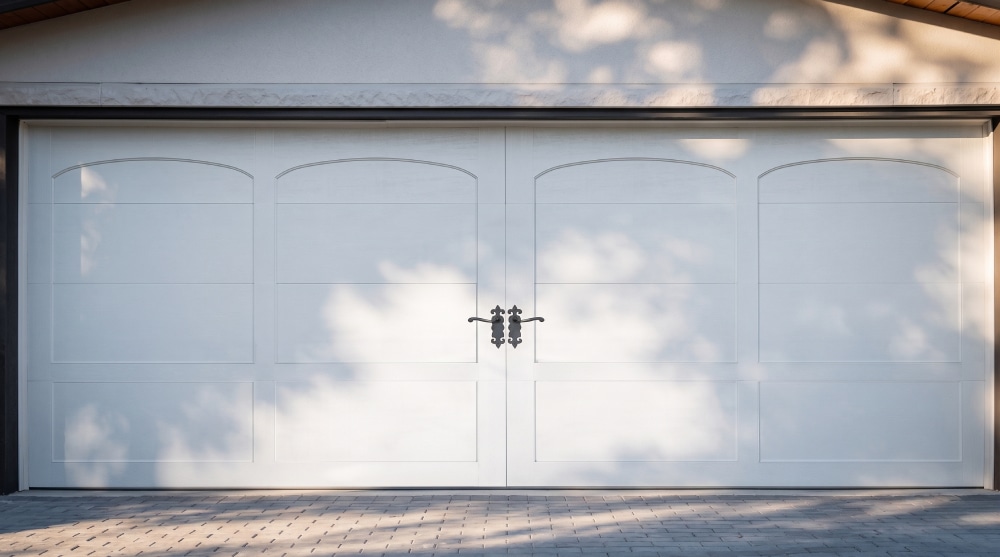
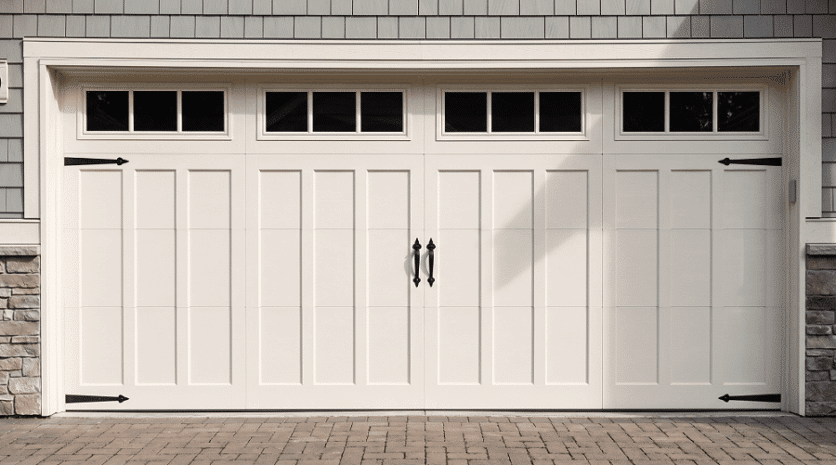
The same principle applies to decorative accessories that do not hold up outdoors. Faux hardware can look sharp from the curb, but if the finish degrades quickly or the adhesive mounts fail, the result looks worse than leaving the door plain.
A sensible path if you are upgrading in stages
Most homeowners do not replace every accessory at once, and they do not need to. A staged plan usually works better, both financially and practically.
If the system is functional but dated, start with the accessories that affect daily use and safety most. Good examples include security-focused remotes, a reliable keypad, weather sealing, and sensor verification. Next, consider quality-of-life improvements such as quieter rollers, better lighting, or smart control. After that, if outages are a concern, battery backup becomes an easy argument.
This order reflects lived use. Families notice convenience and reliability first. They appreciate style later. A handsome accessory package means little if the keypad freezes up, the remote range is poor, and dust blows under the door all winter.
For homeowners specifically researching Garage Door Accessories Parker options, that practical mindset tends to produce the best outcome. Choose accessories that fit the door you have, the climate you live in, and the way your household enters and exits every week.
A few upgrades that consistently pay off
If I had to narrow the field to the most consistently worthwhile garage door accessory improvements for typical homes, these would be near the top:
- A weather-resistant wireless keypad with secure code options.
- Quality bottom and perimeter sealing matched to the garage opening.
- Quiet, durable rollers for smoother operation.
- Smart control with dependable status alerts, if the household will actually use it.
- Battery backup for homes that rely on the garage as the main entry.
None of those is flashy. Every one of them earns its value in ordinary use.
A garage door is one of the hardest-working systems in the house. It cycles through heat, cold, dust, moisture, and daily repetition without much attention until something starts to fail. The right accessories do not merely decorate that system, Garage Door Accessories Parker they support it. They make entry easier, operation quieter, security stronger, and weather resistance more dependable. For Parker homeowners, that blend of practicality and durability is what separates an accessory worth having from one that ends up forgotten in a drawer.
Select Garage Doors
11479 Pine Dr
Parker, CO 80134, United States
Phone: (303) 228-0018
FAQ About Garage Door Accessories Parker
Where can I find garage door accessories?
Garage door accessories are available from garage door service companies, authorized dealers, home improvement stores, and specialist suppliers. Select Garage Doors supplies and installs accessories for homeowners in Parker, including compatible remotes, wireless keypads, weather seals, and smart controls. Check your opener model and door specifications before choosing a replacement or upgrade.
How to make a garage door more attractive?
Cleaning the door, refreshing a manufacturer-approved finish, and choosing coordinated decorative handles or hinge accents can improve its appearance. Compatible window inserts may also change the look of an existing window section. Match accessories to the door material and style, and make sure added hardware does not interfere with movement, seals, or safety equipment.
Where can I buy garage door inserts?
Decorative window inserts can be sourced through the door manufacturer, an authorized garage door dealer, or a supplier that carries parts for your specific door series. Match the model, window frame dimensions, and attachment system; inserts are not universally interchangeable. Ask a professional to confirm compatibility before ordering, especially if the work involves glass or changes to a door section.