Garage Door Accessories to Upgrade Safety Features
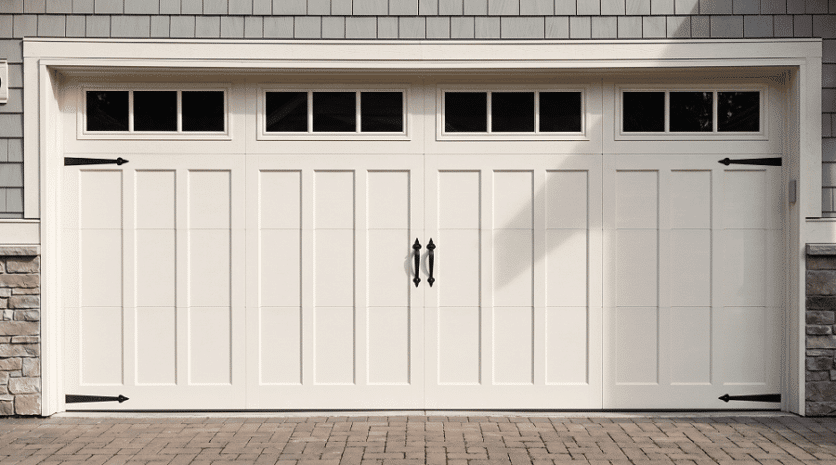


A garage door is the largest moving object in most homes, and that fact tends to fade into the background until something goes wrong. A door that weighs anywhere from 130 to 300 pounds, sometimes more for insulated or wood models, cycles up and down above cars, tools, storage shelves, and people. Most homeowners think first about convenience when they shop for Garage Door Accessories. In practice, the best upgrades are usually the ones that reduce risk, give earlier warning, and create a larger margin for error.
I have seen the difference these accessories make in ordinary situations, not just obvious emergencies. A family with small children stops worrying about fingers near section joints after adding pinch-resistant panels and refreshed photo eyes. An older homeowner gains confidence simply because brighter garage lighting and a battery backup eliminate that vulnerable moment when the power goes out and the door stalls half open. Safety is often built from these small improvements, layered together until the whole system behaves more predictably.
The useful question is not which accessory looks impressive on the box. It is which upgrade solves the weak point in your specific setup.
Start with the hazards you actually have
Garage safety is not one thing. It changes from house to house. A detached garage with infrequent use has different risks than an attached garage that serves as the family’s main entrance. Homes with children, pets, or elderly residents need wider safety margins. So do garages with poor lighting, short driveways, or doors that open directly into high foot traffic.
A common mistake is assuming the opener itself handles all protection. Modern openers do include reversal systems and basic obstruction sensing, but those features only work well when sensors are aligned, travel limits are correct, springs are balanced, and the door hardware is in decent condition. Accessories are not magic add-ons that compensate for neglected maintenance. They are best thought of as reinforcements.
When I walk people through garage door safety upgrades, I usually frame it around three areas. First, prevent contact injuries. Second, prevent unauthorized entry. Third, reduce the chance that a simple failure leaves the home exposed or the door unsafe to use. Nearly every worthwhile accessory supports one of those goals.
Photo eye sensors deserve more attention than they get
If your garage door closes and then immediately reverses for no obvious reason, homeowners often blame the opener. Sometimes they are right. Often the problem is simpler. The photo eye sensors near the floor are dirty, misaligned, or mounted in a spot where they get kicked, bumped, or splashed.
These sensors are among the most important Garage Door Accessories in the entire system because they prevent the door from closing when something crosses the beam. That something might be a bicycle tire, a pet, a child’s foot, or the corner of a storage bin that shifted slightly into the opening. When they work properly, they stop a dangerous event before it starts.
For older systems, replacing tired sensors with newer compatible units is a worthwhile safety upgrade, especially if the current pair is unreliable. What matters most is proper installation height, secure brackets, and a clear path across the opening. In real garages, that last part is harder than it sounds. Sensor lenses collect dust. Sun glare affects some placements. Yard tools lean into the beam. I have seen one pair repeatedly misfire because a homeowner stored bags of mulch close enough to reflect heat and dust into the line of sight.
If you have a garage where sports gear, strollers, or pet supplies end up near the tracks, robust sensor brackets are as valuable as the sensors themselves. Stability matters. A sensor that goes out of alignment every few weeks creates a bad habit, and bad habits around safety systems always spread. People start forcing the door closed, ignoring warning lights, or postponing repairs that should happen immediately.
Battery backup is more than a convenience feature
Many people buy a battery backup because they do not want to get out of the car during a storm. Fair enough, but the larger benefit is security and safe operation during outages. If the power drops while the garage door is open, the home is exposed. If it drops while the door is closed and someone with limited mobility cannot easily disengage the opener and lift the door manually, that is a different kind of safety issue.
Battery backup units keep the opener functioning for a limited number of cycles, often enough for a day or two of normal use depending on model and battery condition. The exact runtime varies, and manufacturers usually state it in cycles rather than hours for good reason. Temperature, door weight, and age of the battery all affect performance.
In areas with frequent outages, this accessory moves from nice-to-have to practical necessity. It also reduces the temptation to use the emergency release in awkward conditions. Pulling the release is simple in theory. Doing it in the dark, in heavy rain, or while balancing around stored items is less simple. A battery backup buys time and keeps the system operating as intended.
Smart controllers can improve safety if used with discipline
Smart garage controllers and Wi-Fi enabled openers are often marketed around convenience, but they can strengthen safety when used properly. The key phrase is when used properly. A phone app that tells you whether the door is open or closed, sends alerts, and lets you close it remotely can prevent long periods of accidental exposure. That matters more than people think. I have met homeowners who left their garage open overnight, not once, but several times in a single year.
Status monitoring changes that. So do timed close features, though those should be used carefully and only if the opener has fully functional sensors and audible or visual warning before motion. Remote closure is useful, but it should never become a substitute for maintaining the core safety features. If the door has alignment issues, inconsistent reversal, or track problems, fixing those comes first.
There is also a security angle. Better smart systems log access events, allow temporary digital keys, and notify the homeowner when the door opens unexpectedly. For households with service providers, dog walkers, teenagers, or frequent deliveries, that level of visibility reduces confusion and catches problems early.
Still, I advise restraint. Every connected feature adds complexity. Use strong account credentials, enable multi-factor authentication if available, and avoid sharing full access more broadly than necessary. Convenience without account hygiene is just a new way to create risk.
Keypads and remotes should be treated as access devices, not gadgets
Exterior wireless keypads are easy to underestimate. They are often seen as a backup for people who forget keys, but they can make garage access safer for families who do not want children carrying house keys or hidden spares. A keypad also reduces the classic locked-out scenario where someone attempts to force a side door or enters through less safe means.
The best practice is simple. Choose a code that is not an address, a birthday, or a repeated pattern. Change it when household circumstances change, especially after contractors, renters, or caregivers no longer need access. If your keypad supports temporary PINs, use them.
Remotes deserve the same seriousness. A visor remote left in an unlocked car parked outside is not harmless clutter. It is a direct route into the garage, and sometimes into the house. Modern rolling-code remotes are a major improvement over older fixed-code units because they reduce replay risk, but basic discipline still matters. If a remote goes missing, erase it from the opener memory and reprogram the devices you still control. That takes a few minutes and closes an obvious hole.
Better lighting changes behavior for the better
Lighting is one of the most underrated safety upgrades in a garage. Dim spaces create sloppy habits. People step over tools instead of putting them away. They miss a frayed lift cable or a cracked hinge because they simply cannot see it well. They move too quickly around the door opening because the entire space feels temporary and transitional.
Adding LED light modules, motion-activated fixtures, or higher output opener lights changes how people use the room. They notice obstructions sooner. They are less likely to walk under a descending door while carrying boxes. They can check track alignment and hardware condition without a flashlight balanced under the chin.
I have seen garages where replacing weak bulbs with bright, diffuse LED fixtures had an immediate effect on safety, not because the door itself changed, but because the users did. Good lighting slows people down just enough to make better decisions. It also helps cameras capture usable footage if you add monitoring later.
For attached garages, I like layered lighting rather than a single harsh point source. One central fixture leaves shadows near the tracks and corners. A combination of ceiling light and side-area illumination near the entry door, workbench, or storage wall tends to work better.
Audible and visual warnings add a margin of safety
Some safety accessories do not stop hazards directly, but they improve awareness. Flashing light kits and audible warning modules are a good example. In busy households, especially with children or anyone with hearing or vision limitations, a more obvious warning before the door moves is valuable. It creates a moment of recognition. The door is about to close. Clear the opening.
These accessories are particularly useful on doors connected to smart systems that may be activated remotely. If someone closes the garage from a phone while another person is still nearby, a flashing light and beeper help prevent surprise motion. They are also useful in detached garages where a person inside may not hear the opener engage right away.
Not every household needs them. In a quiet one-car garage used mainly for storage, the gain may be modest. In a larger household with frequent comings and goings, they are often worth the small cost.
Reinforcing the door itself can be a safety upgrade
People often separate safety from structural hardware, but the two overlap. A reinforced top bracket, strut, or wind-load brace can reduce the chance of panel damage, opener strain, or uneven movement. This matters most for wider double doors, older doors that flex noticeably, and homes in storm-prone areas.
A door that bows heavily while operating is not just wearing out faster. It can throw the opener out of ideal alignment, increase stress on attachment points, and create unpredictable movement over time. Adding the correct reinforcement, matched to the door type and opener setup, helps the entire system run more smoothly.
This is where judgment matters. More hardware is not always better. The wrong reinforcement can interfere with travel, add unnecessary weight, or shift loads to components that are already near their limit. If the door shakes, binds, or jerks during operation, structural accessories should be selected with the existing door design in mind, not chosen as generic upgrades.
Finger protection and pinch-resistant components matter in family homes
If there are young children in the home, pinch points deserve special attention. Sectional garage doors naturally create joints where fingers can get trapped when the panels bend during movement. Newer pinch-resistant panel designs reduce that risk by shaping the joints so fingers are pushed out rather than pulled in as the door closes.
For existing doors, there is not always a simple accessory retrofit that provides the same protection as a purpose-built panel design, but there are still meaningful improvements. Teach children that the door and tracks are not play areas. Keep wall controls mounted high enough to prevent unsupervised use. Make sure the manual rope handle is visible and within adult reach, but not a toy. Add warning labels where appropriate, especially if the garage is heavily used as a family entry.
Some homeowners focus only on the bottom edge safety reversal, but side and joint injuries are real. If the garage doubles as a play spillover zone, the door hardware needs to be treated with more respect than many families give it.
Security cameras and motion sensors belong in the conversation
A garage is often the softest point in the home’s perimeter. Adding a camera or motion alert system does not physically stop the door from causing injury, but it absolutely supports safer use and better oversight. Cameras deter casual intrusion, document suspicious activity, and let homeowners verify whether the door actually closed. That last point sounds small until you have spent years second-guessing yourself after leaving for work.
Indoor garage cameras are especially useful when paired with door status notifications. If the app says the door is open, you can check whether it is truly open or whether an item is blocking closure. Outdoor coverage aimed at the driveway and garage face adds another layer. If someone tampers with the keypad, tries car door handles, or lingers near the opening, you know about it.
Privacy matters here. Keep camera placement focused on entry points and garage activity, not neighboring spaces. Good security accessories protect your home without creating needless tension with everyone around it.
The accessories that give the best return
If a homeowner has a limited budget, the smartest path is to fund the upgrades that close the biggest safety gaps first. In most cases, that means making sure sensors work properly, adding battery backup if outages are common, improving lighting, and upgrading access control through a secure keypad or smart monitoring.
Here is a practical order of priority I often recommend:
- Restore or replace photo eye sensors if they are unreliable.
- Add battery backup for outage resilience and safer operation.
- Improve lighting around the door opening and garage interior.
- Upgrade access with secure remotes, keypad controls, or smart monitoring.
- Add warning lights, cameras, or reinforcement hardware based on the garage’s specific risks.
That order is not universal. A storm-exposed coastal home may put structural reinforcement much higher. A family with toddlers may prioritize pinch protection and warning systems. The main point is to match the accessory to the real hazard, not the marketing language.
A few upgrades require a professional eye
Some Garage Door Accessories are straightforward for a capable homeowner. Others sit too close to high-tension components to justify improvisation. Tracks, springs, bottom brackets, and major reinforcement points deserve caution. Garage door torsion springs store enough energy to cause severe injury, and accessories that affect door balance or opener force should be installed with a clear understanding of the system.
As a rule, if an upgrade changes how the door carries weight, how far it travels, or how the opener applies force, it is worth bringing in a trained technician. That includes cases where the accessory itself is simple, but the underlying issue is not. A homeowner may think they need a stronger opener light, for example, when the real problem is that the door is binding and the opener Garage Door Accessories light stays on because the unit keeps detecting strain or incomplete cycles.
The best technicians do more than install parts. They check door balance, inspect rollers and hinges, verify sensor alignment, confirm auto-reverse settings, and look for wear patterns that explain recurring problems. That whole-system view is often where the real safety value lies.
Signs your current setup is overdue for attention
Some warning signs are obvious. Others are easy to dismiss until they become chronic. If your garage door closes only when you hold the wall button, the safety sensors likely need immediate attention. If the door reverses without a clear obstruction, slams shut, makes grinding or popping noises, or drifts open after closing, the system needs inspection before you think about optional accessories.
These conditions matter because accessories perform best on a stable base. A camera does not fix a misadjusted opener. A smart controller does not solve a bent track. An exterior keypad does not help if the door is too heavy to operate manually during a power failure because the springs are poorly balanced.
One of the more telling signs is behavioral. If people in the house have developed workarounds, there is usually an underlying safety issue. Maybe everyone knows to jiggle the remote twice, duck under the door quickly, or press and hold the wall control until the door reaches the floor. Those are not quirks. They are warning flares.
The safest garage feels uneventful
That may sound underwhelming, but it is the goal. A safe garage door system does not demand attention every week. It does not surprise you with sudden reversals or leave you wondering whether it really closed. It does not tempt people into shortcuts because the basic functions are unreliable. The right Garage Door Accessories help create that kind of consistency.
Good sensors prevent contact. Battery backup maintains control when power drops. Better lighting reveals problems before they worsen. Secure access devices reduce exposure. Warning lights, cameras, and reinforcement fill in the gaps based on how the space is actually used. None of these accessories has to be dramatic to matter.
If you are deciding where to spend first, think less about features and more about failure points. Where is the current system easiest to misuse, easiest to ignore, or most likely to leave someone vulnerable? Start there. Safety upgrades are most effective when they answer a real risk with a specific, practical improvement.
Select Garage Doors
11479 Pine Dr, Parker, CO 80134, United States
+1 303-228-0018
FAQ About Garage Door Accessories
What are garage door parts called?
Common door components include panels, hinges, rollers, tracks, springs, cables, and weather seals. The opener is a separate operating system, with accessories such as remotes, keypads, and compatible smart controls. Identify the door and opener model before choosing a part; springs, cables, and other loaded components should be assessed and serviced by a trained garage door technician.
What garage door supplies do I need?
The right supplies depend on the problem or upgrade you want to address. Common accessories include replacement remotes, wireless keypads, weather seals, decorative handles and hinges, and compatible smart controls. Check model compatibility and the manufacturer's instructions before buying. A technician can inspect the system and recommend suitable accessories without replacing otherwise serviceable equipment.
Where can I find garage door accessories in Parker?
Select Garage Doors supplies and installs garage door accessories for Parker homeowners. Contact the company with your opener brand and model, door details, and the upgrade you want so it can confirm compatibility, availability, pricing, and installation requirements. Confirm collection or appointment arrangements before visiting.