Smart Home Integration With Garage Door Accessories in Parker
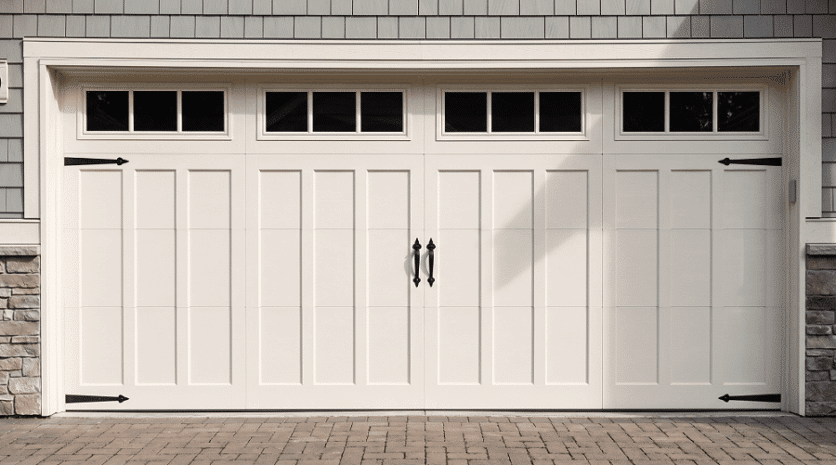
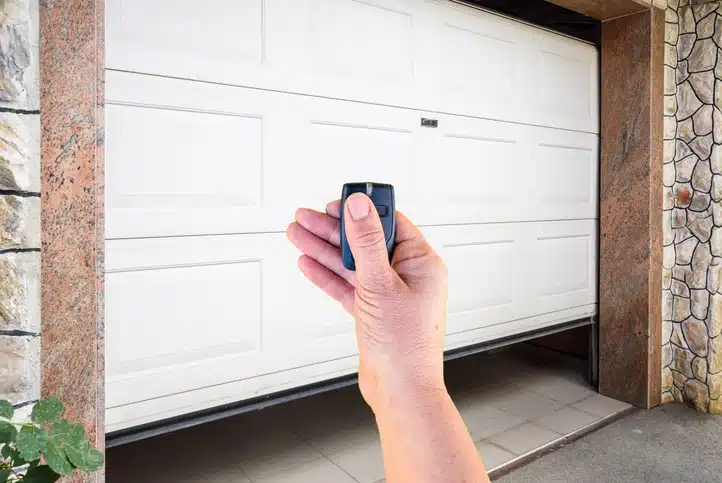
A garage door used to be a simple barrier, open or closed, little more than the largest moving part of the house. That is no longer the case, especially in Parker, where homeowners often use the garage as the real front entrance, workshop, package drop zone, storage hub, and weather buffer all at once. Once you start thinking of the garage as an active living space rather than a utility box, smart home integration stops feeling like a luxury add-on and starts looking like practical infrastructure.
That shift has changed the way people shop for garage door upgrades. They are not only asking about springs, rollers, and opener horsepower. They want app control, better lighting, stronger security, cleaner installation, battery backup, camera support, and compatibility with the smart devices already running the rest of the house. When homeowners search for Garage Door Accessories Parker, they are usually trying to solve a daily inconvenience, but they often end up redesigning how the home works.
The best smart garage setup is not the one with the most features. It is the one that fits the house, the climate, the wiring conditions, the family routine, and the owner’s tolerance for maintenance. I have seen expensive systems become frustrating because the Wi-Fi barely reached the garage, and I have seen modest upgrades work beautifully for years because someone matched the right accessories to the right door and opener.
Why Parker homes benefit from a smarter garage
Parker’s weather alone makes the garage a more important part of the home than many people realize. Cold mornings, summer heat, wind, dust, and sudden temperature swings all put stress on mechanical parts and electronics. A garage that is disconnected from the rest of the smart home tends to become a blind spot. You may know if your thermostat is set correctly and whether the front door is locked, but still have no idea if the garage door was left open when you drove off.
That matters for security, but also for energy use and daily rhythm. In many Parker neighborhoods, garages face the street and remain highly visible. A door left open advertises tools, bikes, storage bins, and in some cases direct access to the house. Even when the door is technically secure, poor lighting or outdated accessories can make the area inconvenient enough that people avoid using it properly. They park in the driveway, enter through side gates, or leave clutter where sensors and tracks should stay clear.
Smart integration solves several of those friction points at once. A connected opener can send alerts if the door stays open past a set time. Motion-sensitive LED lighting can turn on before you step out of the car. A camera built into the opener or mounted nearby can confirm whether a delivery was placed inside the garage or whether a teenager actually got home when they said they did. Those are everyday improvements, not gimmicks.
What “garage door accessories” really means now
The phrase covers much more than decorative handles and spare remotes. Traditional accessories still matter, of course. Keypads, safety sensors, upgraded rollers, reinforcement brackets, Garage Door Accessories Parker insulation kits, and battery backups remain core components. But smart home integration adds another layer. Now the accessory category often includes Wi-Fi bridges, smartphone controls, integrated cameras, motion alerts, voice assistant compatibility, smart locks for the interior garage entry door, and even carbon monoxide monitoring if the garage connects directly to the home.
That broader definition is helpful because it keeps homeowners from focusing too narrowly on the opener itself. The opener is the hub, but the supporting accessories often determine whether the system feels reliable or annoying. A good app means little if the safety sensors are misaligned, the keypad is installed too low, or the garage Wi-Fi signal drops every few days.
For many Parker homeowners, the most valuable accessory is not the flashiest one. It may be a battery backup that keeps the door operable during an outage, or a bright, well-placed light module that makes early winter mornings less hazardous. It may be a camera that covers the threshold clearly enough to verify activity without draining your attention with constant false alerts.
Start with the opener, but do not stop there
Most smart garage projects begin with one question: should you replace the opener or upgrade the one you already have? The answer depends on age, drive type, noise, safety features, and compatibility.
If the opener is relatively recent and mechanically sound, a smart controller or manufacturer-specific connectivity module may be enough. That can add phone access, schedules, alerts, and remote monitoring without replacing the whole unit. This route usually makes sense when the motor runs smoothly, the door is balanced, and the rails, trolley, and limit settings are in good condition.
If the opener is older, noisy, inconsistent, or missing important safety features, a full replacement is often the smarter financial decision. Retrofitting a failing system tends to create stacked compromises. You solve one issue and expose two more. I have seen homeowners spend money on connectivity modules for openers that should have been retired years earlier. Within months they were dealing with intermittent reversals, dead wall consoles, or stripped gears. At that point, the “cheaper” option cost more than a clean replacement.
Belt-drive openers usually pair well with smart home goals because they run quietly, which matters when bedrooms sit above or adjacent to the garage. Chain-drive models still have their place, especially for durability and value, but they tend to produce more vibration and noise. Wall-mounted jackshaft units are another strong option in garages with high ceilings, storage lifts, or unusual clearance requirements. They can open up overhead space, though installation needs to be precise and the door itself must be in good shape.
The accessories that make the biggest difference
Homeowners often ask which upgrades are worth paying for first. The answer depends on how the garage is used, but a few accessories consistently deliver real value in Parker homes.
- A wireless keypad with temporary code options helps families, guests, dog walkers, and service providers enter without handing out remotes.
- A battery backup keeps the opener working during outages, which is especially important if the garage is the main entry point.
- Integrated or supplemental LED lighting improves visibility and security far more than many people expect.
- A camera with motion history and clear night performance adds accountability without requiring a separate security system.
- Smartphone control with open and close alerts turns the garage from a guess into a known status.
What matters most is how these pieces work together. A keypad is more useful when the app lets you know who arrived and when. Lighting matters more when the camera image is sharp. Battery backup matters more when you rely on the garage as the house’s main entrance. The best systems feel coordinated rather than crowded.
The Wi-Fi problem nobody mentions early enough
A large percentage of smart garage frustration can be traced back to weak signal strength. The garage is often at the edge of the home’s wireless coverage, separated by insulated walls, ductwork, appliances, masonry, and stored items that interfere with transmission. Homeowners blame the opener app when the real problem is network reach.
Before buying connected accessories, test the signal in the exact place where the opener or hub will live. Not at the interior door to the garage, not inside the kitchen that shares a wall, but up by the ceiling where the device will operate. If the signal is weak or unstable there, plan for improvement before installation. Sometimes that means repositioning the router. In other homes it means adding a mesh node or a dedicated extender. The difference in reliability can be dramatic.
This is one of those details that separates a polished installation from a disappointing one. A smart opener with a bad connection will work perfectly during setup and then miss commands at the worst possible moment. The owner loses confidence, starts checking manually anyway, and the whole advantage disappears.
Security is not just about keeping intruders out
Smart garage systems are often sold as security products, and that is fair, but household security has layers. A good setup protects the home from outsiders, yes, but it also reduces preventable mistakes from inside the household.
The most common issue I hear about is the accidentally open door. Someone leaves in a hurry, assumes it closed, and hours pass before anyone notices. Smart Garage Door Accessories Parker notifications fix that. Geofencing can help too, though it works best when used carefully. Some households love automatic reminders based on phone location. Others find them too dependent on phone settings and background permissions. In practice, a timed alert if the door remains open for more than a few minutes is often simpler and more reliable.
There is also the question of remote access. Giving app access to every family member may sound convenient, but permissions matter. Some systems allow separate user roles and activity logs, which are worth having. A teenager who can open the garage after school may not need authority to change automation settings. A contractor may need temporary keypad access for a week, not a permanent remote.
Physical security still matters just as much as digital security. Reinforced top brackets, properly aligned sensors, secure manual release placement, and a solid interior door between garage and house remain part of the picture. Smart features complement these basics, they do not replace them.
Integrating the garage with the rest of the home
A garage becomes truly smart when it works in context with the rest of the house. That can be simple or elaborate, depending on the homeowner’s appetite for automation.
One of the most useful integrations is lighting. When the garage door opens after dark, interior garage lights can come on automatically, along with a side entry light or mudroom fixture. That sounds minor until you live with it through winter. Carrying bags, helping children out of the car, or stepping around stored equipment feels easier when the house anticipates your arrival.
Climate and energy tie-ins can also make sense. If a door remains open for too long in extreme temperatures, the home can send an alert. If an attached garage shares walls with conditioned rooms, that notification can prevent comfort problems inside the home. Some people also link the garage to home security modes so that arming the house at night checks whether the garage door is closed.
Voice control is popular, but it should be configured carefully. Opening a garage by voice can create security concerns, depending on the platform and whether verification is required. Closing by voice is generally less risky and often more useful. The best voice integrations tend to be narrow and intentional rather than wide open.
Parker-specific considerations homeowners often overlook
Local conditions shape smart garage choices more than marketing brochures suggest. In Parker, wind and dust can affect sensor cleanliness and track conditions. Cold weather can expose battery weakness faster than expected, especially in wireless accessories like keypads or outdoor cameras. Detached garages can create power and network challenges that attached garages do not face.
Sun exposure matters too. A west-facing garage door and front wall can turn electronics, adhesives, and plastic housings into durability tests over time. Outdoor-rated accessories with good sealing and stable mounting hardware are worth the extra cost. Cheap adhesive-mounted devices tend to loosen, yellow, or fail long before the homeowner expected.
Another factor is driveway length and approach angle. Some camera views that look fine on paper perform poorly in real use because headlights wash out the image or the lens misses the area where people actually walk. A little planning goes a long way. Stand where packages are typically placed. Back a vehicle in at night. Open the door halfway and look for shadows or blind spots. Those field checks reveal more than product specs.
When retrofitting makes sense, and when it does not
Retrofitting an older garage system can be a smart move, especially when the door itself is in good condition and the opener has years left. It is often the right answer for homeowners who want app control, notifications, and keypad upgrades without tearing everything out.
Still, retrofit projects have limits. If the door is unbalanced, the springs are near the end of their life, the rollers are loud, or the tracks show wear, smart upgrades may only highlight the mechanical weaknesses. A garage door opener is not designed to compensate for a door that is too heavy, dragging, or poorly adjusted. Adding connectivity to that setup does not make it safer.
A practical rule is to assess the mechanical system first, then the electronics. If the door can be opened manually with reasonable ease, stays in place when half open, and operates smoothly without jerking or grinding, it is probably a good candidate for accessory upgrades. If not, mechanical service should come first.
A sensible upgrade path for most homes
Homeowners do not need to buy everything at once. In fact, staged upgrades often produce better results because they leave room to learn how the household actually uses the garage.
- First, make the mechanical system dependable by addressing balance, springs, rollers, and sensor alignment.
- Second, add smart control through a compatible opener or retrofit module, then verify stable Wi-Fi at the opener location.
- Third, install high-value accessories such as a keypad, battery backup, and improved lighting.
- Fourth, add camera coverage or automation routines once the core operation feels reliable.
That order prevents a common mistake, which is layering sophisticated controls on top of a noisy or inconsistent door. Reliability beats novelty every time.
Cost, value, and where people overspend
Smart garage upgrades cover a broad range of budgets. A basic retrofit controller and keypad can be relatively affordable. A full opener replacement with battery backup, camera integration, advanced lighting, and professional setup moves the investment higher. The exact price depends on brand, compatibility, labor, and whether the job includes electrical or networking improvements.
Where homeowners tend to overspend is on feature density. They buy the model with every possible integration, then use only remote open and close. There is nothing wrong with future-proofing, but only if the underlying system is robust and the extra features are likely to be used. It is often wiser to spend money on quieter operation, stronger lighting, and backup power than on niche automation options that may sit untouched.
On the other hand, the cheapest route can create hidden costs. A low-end smart add-on that drops connection or has a clumsy app will usually be abandoned. Then the homeowner still has an outdated opener and has to start over. Good garage technology should reduce mental load, not add another device that needs babysitting.
Installation details that matter more than branding
Brand preference matters less than fit, setup quality, and long-term support. I have seen well-known products underperform because they were installed without attention to sensor placement, travel limits, or network stability. I have also seen lesser-known accessories work fine because the installer took time to match them properly and test real-world operation.
Mounting height, wire routing, surge protection, weather exposure, and even the brightness angle of the lights all influence satisfaction. So does app setup. If user permissions, notifications, and schedules are not configured carefully on day one, people often leave with a system that technically works but does not serve the household well.
A professional installation can be especially worthwhile when the project combines opener replacement, accessory integration, and home network adjustments. The labor is not only about hanging hardware. It is about reducing edge-case failures, the kinds that only show up during freezing mornings, late-night arrivals, or internet hiccups.
The human side of a smart garage
The strongest case for smart integration is not technological. It is behavioral. People use systems that feel easy. They ignore systems that create friction. A garage with a reliable keypad, bright automatic lighting, clean phone alerts, and quiet operation becomes part of the daily flow. Kids know how to get in after school. Deliveries can be managed with less guesswork. Homeowners stop turning around halfway to work just to check the door.
I remember one homeowner who originally called about replacing a noisy opener. The real irritation turned out not to be the noise. It was the routine around it. The garage was dim, the old remote worked only intermittently, and winter mornings began with someone backing out into darkness, then walking back inside through the cold to make sure the door had closed. Once the opener, lighting, keypad, and phone controls were updated, the noise issue barely came up again. What changed was confidence. The garage became predictable.
That is the standard worth aiming for in Parker homes. Not maximum complexity, not showroom-style gadget overload, but a garage that quietly does its job and fits the household. When people search for Garage Door Accessories Parker, the smart answer is rarely a single product. It is a system of small, practical decisions, each one making the home a little safer, easier, and more dependable every day.
Select Garage Doors
11479 Pine Dr
Parker, CO 80134, United States
Phone: (303) 228-0018
FAQ About Garage Door Accessories Parker
Where can I find garage door accessories?
Garage door accessories are available from garage door service companies, authorized dealers, home improvement stores, and specialist suppliers. Select Garage Doors supplies and installs accessories for homeowners in Parker, including compatible remotes, wireless keypads, weather seals, and smart controls. Check your opener model and door specifications before choosing a replacement or upgrade.
How to make a garage door more attractive?
Cleaning the door, refreshing a manufacturer-approved finish, and choosing coordinated decorative handles or hinge accents can improve its appearance. Compatible window inserts may also change the look of an existing window section. Match accessories to the door material and style, and make sure added hardware does not interfere with movement, seals, or safety equipment.
Where can I buy garage door inserts?
Decorative window inserts can be sourced through the door manufacturer, an authorized garage door dealer, or a supplier that carries parts for your specific door series. Match the model, window frame dimensions, and attachment system; inserts are not universally interchangeable. Ask a professional to confirm compatibility before ordering, especially if the work involves glass or changes to a door section.